Hoover Appliance Repair
205-941-6139
Hoover Water Heater Repair
We can repair your Water Heater! Schedule an appointment today!
We repair gas, electric, and tankless water heaters from all major brands, and proudly serve homeowners across Hoover, AL and the surrounding Birmingham metro area.
Water heaters combine a pressurized tank or heat exchanger, a heating source (gas burner or electric element), and safety components all working together continuously. Because a failing part can produce symptoms that look like something else entirely — no hot water, lukewarm water, or a leak — correctly diagnosing the actual cause is what separates a lasting repair from one that leaves you calling again in a few weeks.
Signs You Need Water Heater Repair
- No hot water at all
- Water that's lukewarm but never fully hot
- Hot water runs out much faster than it used to
- Water heater leaking from the tank or connections
- Rumbling, popping, or banging noises from the tank
- Discolored (rusty or brown) hot water
- Rotten egg smell from the hot water
- Pilot light won't stay lit (gas units)
- Water heater tripping the circuit breaker (electric units)
- Visible rust or corrosion on the tank

Common Water Heater Problems
No Hot Water at All
On electric water heaters, a complete loss of hot water is most often caused by a burned-out upper heating element or a tripped high-limit safety switch (a reset button located behind the access panel that trips if the water gets too hot). On gas water heaters, the top cause is a pilot light that's gone out or a failed thermocouple — the safety sensor that detects whether the pilot flame is lit and shuts off gas flow if it isn't. A failed gas control valve can also prevent the burner from igniting at all, even with a working pilot and thermocouple.
Water Is Lukewarm But Never Fully Hot
This is usually a partial component failure rather than a total one. On electric units, a failed lower heating element can leave you with only the top portion of the tank heated, which runs out quickly. On gas units, a thermostat that's reading incorrectly, or sediment buildup at the bottom of the tank insulating the burner from the water above it, are the most common causes. Sediment buildup is especially common in areas with harder water and tanks that haven't been flushed in several years.
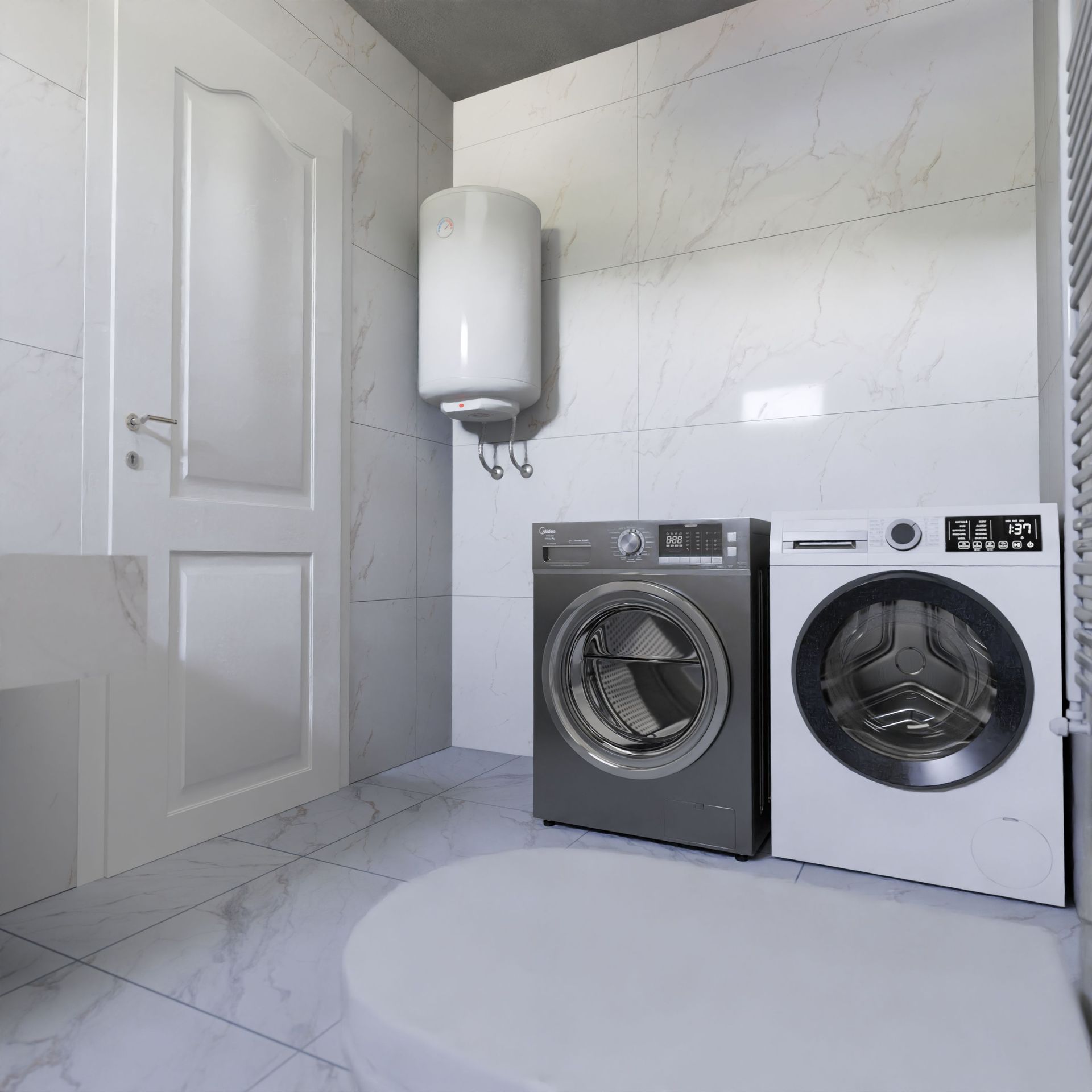
Hot Water Runs Out Faster Than It Used To
A shrinking hot water supply, even though the unit still works, often points to sediment buildup reducing the tank's effective capacity, or a failing heating element (electric) that's no longer heating at full capacity. On older tanks, this can also simply be a sign the tank is nearing the end of its service life and losing overall efficiency.
Water Heater Leaking
Leaks have a few common sources depending on where they appear. A leak from the top of the tank is often a loose or failing inlet/outlet connection or a faulty temperature and pressure (T&P) relief valve. A leak from the bottom of the tank is more serious and usually means the tank itself has corroded through — this typically means replacement rather than repair, since the tank can't be patched. A leak from a drain valve near the bottom is often just a valve that needs tightening or replacing, which is a much simpler fix.
Rumbling, Popping, or Banging Noises
Noise from the tank almost always points to sediment buildup at the bottom, which hardens over time and creates pockets that trap water. As that trapped water heats and turns to steam, it creates popping or rumbling sounds. Left unaddressed, sediment buildup reduces efficiency and can shorten the tank's lifespan, so this is worth addressing even though it's not an emergency.
Discolored or Rusty Hot Water
Rusty or discolored hot water (that only appears when running hot water, not cold) typically means the anode rod — a sacrificial metal rod designed to attract corrosion so the tank itself doesn't rust — has fully corroded and needs replacement. In more advanced cases, it can mean the tank itself has started to rust from the inside, which usually signals the tank is approaching failure.
Rotten Egg Smell From Hot Water
This distinctive smell is typically caused by a reaction between the anode rod and bacteria in the water supply, particularly common with well water. Replacing the anode rod with a different material (often aluminum or zinc instead of magnesium) usually resolves this.
Pilot Light Won't Stay Lit (Gas Units)
A pilot light that keeps going out is most commonly caused by a failing thermocouple, which is a relatively simple and inexpensive part to replace. Less commonly, a draft near the pilot assembly, a dirty pilot orifice, or a failing gas control valve can also cause this.
Water Heater Tripping the Breaker (Electric Units)
This is typically caused by a failed heating element that's short-circuiting, or a faulty thermostat. This should be addressed promptly, since repeatedly resetting the breaker without fixing the underlying issue can pose a safety risk.
Tankless Water Heater Problems
Tankless Unit Not Producing Hot Water
Tankless systems rely on flow sensors and a heat exchanger rather than a stored tank, so a lack of hot water often points to a flow sensor not detecting water flow properly, a clogged inlet water filter, or a failed igniter on gas units.
Tankless Unit Producing Inconsistent Temperature
This is often caused by mineral scale buildup inside the heat exchanger, which is common in hard water areas and reduces the unit's ability to heat water consistently. Regular descaling maintenance (typically annual) helps prevent this.
Tankless Unit Displaying an Error Code
Tankless water heaters almost always display a specific error code on their control panel when something goes wrong, which makes diagnosis faster (see error codes below).
Common Water Heater Codes
Rheem / Ruud (shared platforms)
- LED blink codes — Rheem tank units use a series of LED flashes to indicate specific faults, including thermostat, thermal switch, and heating element issues; our technicians decode these by counting the flash pattern
- Code 76 / Code 11 (tankless) — Ignition failure or flame loss
Rinnai (tankless)
- 11 — Ignition failure
- 12 — Flame failure during operation
- 14 — Overheating detected
- A1 / A3 — Exhaust or intake blockage
Navien (tankless)
- E003 — Ignition failure
- E110 — Overheat sensor fault
- E317 — Water flow sensor error
A.O. Smith
- Status light flash patterns similar to Rheem, indicating gas valve, thermocouple, or thermostat faults
Bradford White
- Amber/green LED blink codes on newer models indicating specific board or sensor faults
Washer & Dryer Brands We Repair
Rheem
A.O. Smith
Bradford White
State
Rinnai (tankless)
Navien (tankless)
Noritz (tankless)
Bosch (tankless)
Repair or Replace?
As a general rule, if your water heater is under 6 years old, repair is almost always the more cost-effective option — most common issues (thermocouples, heating elements, thermostats, anode rods) are inexpensive relative to a full replacement. Traditional tank water heaters typically last 8-12 years, and tankless units can last 15-20 years with proper maintenance. If your tank is leaking from the bottom or has visible rust damage to the tank itself, replacement is usually the only option, since the tank can't be repaired. For units nearing the end of their expected lifespan with a significant component failure, replacement often makes more financial sense than investing in a major repair. Our technicians will always give you an honest recommendation based on your unit's age and the cost of the needed repair.
Simple Maintenance Tips to Avoid Future Repairs
A few regular habits can meaningfully extend the life of your water heater and reduce the odds of a costly repair:
- Flush the tank annually to remove sediment buildup, especially in hard water areas
- Check and replace the anode rod every 3-5 years to prevent tank corrosion
- Test the temperature and pressure (T&P) relief valve annually to confirm it's functioning
- Set the thermostat to 120°F, which reduces mineral buildup and scalding risk
- For tankless units, schedule an annual descaling service to maintain efficiency
- Keep the area around the water heater clear for proper ventilation and accessts
Frequently Asked Questions
Why do I have no hot water?
On electric units, this is usually a burned-out heating element or a tripped safety switch. On gas units, it's most often a pilot light that's gone out or a failed thermocouple.
Why is my water heater making noise?
Rumbling or popping sounds almost always point to sediment buildup at the bottom of the tank, which is common in units that haven't been flushed regularly.
Why is my hot water rusty or discolored?
This typically means the anode rod has corroded and needs replacement, or in more advanced cases, the tank itself has started rusting from the inside.
How much does water heater repair cost?
Cost depends on the specific issue, but we always provide a clear, upfront price before any work begins — no surprise charges.
Is it worth repairing an old water heater?
It depends on the age and the issue. Units under 6 years old are usually worth repairing; units near or past their expected lifespan with major component failures often make more sense to replace.
Do you repair tankless water heaters?
Yes, our technicians repair tankless systems from brands like Rinnai, Navien, Noritz, and Bosch, in addition to traditional tank water heaters.
Why does my hot water smell like rotten eggs?
This is typically caused by a reaction between the anode rod and bacteria in the water supply. Replacing the anode rod with a different material usually resolves it.
How often should I flush my water heater?
Most manufacturers recommend flushing the tank annually to prevent sediment buildup, especially in areas with hard water.
Why is my water heater leaking?
A leak from the top is often a loose connection or a faulty relief valve. A leak from the bottom of the tank usually means the tank has corroded and needs replacement.
Do you offer same-day water heater repair in Hoover?
Yes, we offer same-day appointments whenever possible, especially for issues like no hot water or an active leak.